
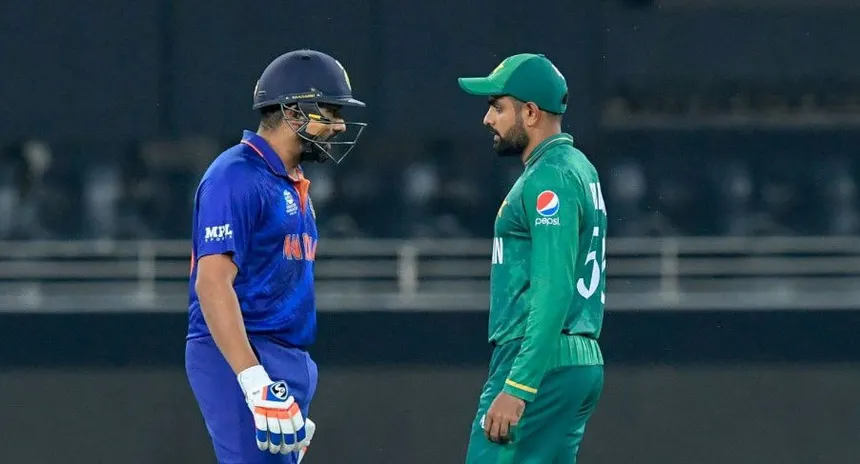
Politics, Profit, and Why This Fixture Drives the Asia Cup Economy
It is the fixture that transcends cricket. Whenever India and Pakistan face each other on a cricket field, the stakes soar beyond the boundary ropes. National pride, political undertones, and the sheer weight of history make it the most electrifying clash in world cricket. And once again, the Asia Cup is set to deliver its biggest spectacle when the two rivals meet in Dubai on September 14.
The Rivalry Beyond Cricket
Unlike other contests, India–Pakistan is more than just a game. With bilateral cricket frozen due to political tensions, encounters between the two nations now only occur in multi-nation tournaments like the Asia Cup or ICC World Cup. This rarity amplifies the drama. Each meeting becomes not just a cricket match but a cultural and geopolitical event watched by hundreds of millions.
For organizers, it’s the golden ticket. Administrators and media executives openly admit that tournament formats are often designed to ensure at least one India–Pakistan clash — and possibly more, depending on progression.
The Economics of Rivalry
- Broadcasting & Sponsorships: No other fixture commands higher ad rates or prime-time slots. Sponsors line up, broadcasters build wall-to-wall coverage, and brands willingly pay a premium just to be associated with the match.
- Viewership Records: From the T20 World Cup to past Asia Cups, India–Pakistan clashes consistently generate the highest global TV minutes of any cricket contest. For context, their 2022 T20 World Cup match drew record-breaking streaming and broadcast audiences, with servers crashing under demand.
- Ticket Frenzy: Expect near-instant sellouts. Stadiums overflow with tricolors and green flags, while ticket resale prices soar to astronomical levels.
The Organizers’ Playbook
The rivalry is so vital to tournament economics that organizers frequently make structural adjustments:
- Adding reserve days in case rain interrupts.
- Scheduling matches at prime times to maximize global viewership across Asia, the Middle East, and diaspora-heavy markets.
- Amplifying coverage with multiple pre-match studio shows, panel debates, and nostalgic throwbacks.
In other words: every stakeholder — from broadcasters to administrators — knows that the India–Pakistan fixture underwrites the Asia Cup’s commercial success.
Fans, Brands, and the Atmosphere
For fans, the hype starts weeks before the toss. Memes flood social media, predictions dominate WhatsApp groups, and past highlights trend on YouTube.
For brands, the match is a gold mine:
- Premium ad slots sell at sky-high prices.
- Campaigns are built entirely around the rivalry.
- Even non-cricketing brands tap into the buzz with themed promotions.
And for rival teams like Sri Lanka and Bangladesh? There’s often frustration that their achievements get overshadowed. Yet the gravitational pull of India–Pakistan is impossible to resist.
What to Expect on September 14
- Instant sellout crowds at Dubai International Stadium, with fans traveling from across the globe.
- Prime-time scheduling to maximize TV and streaming audiences.
- Studio build-ups that dissect every player match-up — Kohli vs Shaheen Afridi, Babar Azam vs Bumrah, Rizwan vs Kuldeep.
- High stakes — beyond the group stage, the potential of a second meeting later in the tournament adds another layer of anticipation.
Final Word
An India–Pakistan clash isn’t just cricket. It’s a cultural moment, a political backdrop, and an economic engine all rolled into one. As the countdown ticks towards September 14, the hype is only going to intensify.
For fans, it’s unmissable. For broadcasters and brands, it’s indispensable. And for the players, it’s a contest like no other — a chance to etch their names in the history of cricket’s greatest rivalry.
On September 14 in Dubai, the world will stop. India vs Pakistan will begin.
 Disclaimer : Punter Fav supports responsible betting. Only for users 18+. We comply with Indian and international gaming regulations.